
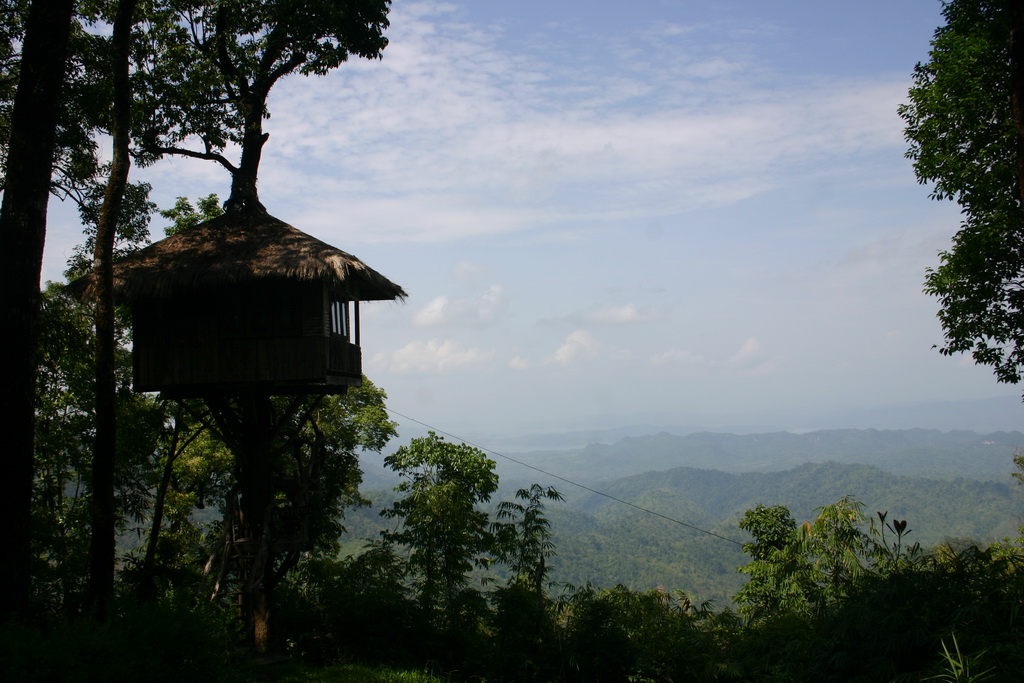
Thailand’s “Rainforests”
Thailand’s rainforests have intrigued scientists, biologists, botanists and ecologists for centuries. As early as 1877 botanists (namely Dr A. F. G. Kerr from Ireland) were documenting the amazingly diverse ecosystems of ancient Siam; these ancient systems were what the western world called, The Jungle.
In fact Thailand doesn’t actually have a true “rainforest” due to the fact there is a brief dry period at certain times of the year. What it does have are areas of stunning Tropical Lowland Evergreen Forest. This forests diversity from north to south and its variation in rainfall means that the type of “rainforest” is some of the most diverse in plant and animal species in the whole world!!
Plants of Indochinese origin found in the east of the country mix with Indo-Burmese plants in the west. Floral species similar to that of the Malay Peninsular, Borneo, Indonesia, the Philippines and Papua New Guinea are all found below the Isthmus of Kra towards the border with Malaysia and the majority are home to wild tigers, elephants, bears, hornbill, monkeys, gibbons and myriad species all interwoven in a fine balance that has been maintained for millions of years.
The structure of the Tropical Lowland Evergreen Forest of southern Thailand is a diverse and dynamic system of interlinking species. Species of the Dipterocarpaceae (actually meaning winged fruit and belonging to a family of Old World tropical hardwoods) dominate reaching unbelievable heights. Above this again there is the emergent zone with species of Iron wood or Takhien thong in Thai, reaching astonishing heights of well over 60 meters!! Below the canopy, in the understory, Bamboos, Palms, strangler figs, ferns, epiphytes, orchids, pitcher plants, the largest flower in the world, the Raffelesia, climbing plants such as pepper and liana vines along with smaller trees and seedlings, ferns lichens and mosses all fight for the remaining 1% of light which reaches the forest floor. Due to the fact the canopy absorbs around 99% of all light available to the forest the plants of the understory and ground level create dense dark leaves some reaching huge sizes and packed with chlorophyll in order to catch as much energy form the sun as possible.
It is believed that over 200 different species of plant are found in just one hectare of tropical rainforest compared to as few as 10 per hectare in temperate northern hemisphere forests. These diverse and wonderful “Rainforests” filled to the brim with weird and mystical plants also give to us the one most valuable commodity on the planet….oxygen. They take in carbon dioxide and provide us with the air we breathe and they do this all for free. Could you imagine the problems and cost involved in trying to manufacture oxygen on a global scale if we had no forests left? Even if we could produce the right amount, who would pay for such a task? We all would and we assure you, it wouldn’t be cheap!
Along with undertaking the most basic of functions to keep our species alive some of these jungle plants are very interesting to modern science. For millennia Monkeys and Apes have been known to hunt out certain forest plants and leaves when they have a bad stomach, they can even find the cure for worms hidden in the green depths; Elephants too know which bushes to eat when their stomachs are tight and bound. Lately us humans have been catching on and Pharmaceutical companies the world over are starting to realize the wealth of benefits that biodiversity has, not only our everyday health and wellbeing (oxygen!) but for diseases we do not yet know the cure to. It is believed that with more research the rainforest can offer the answers to the cure for AIDS, help provide medicines for Cancers of various types, offer pesticide substitutes along with uses in horticulture and nutritional ecology studies. There really is no end to the possibilities.
If this is the case, then why are we chopping this stunningly beautiful and valuable commodity down as if there is no tomorrow? Poverty, lack of knowledge on tropical agriculture from large western companies, an ever growing population and still the common view that this area is boundless and that we as humans can take what we want from it with no ill effect are taking their toll on the rainforests of the world. In Thailand, oil palm and rubber plantations are posing a serious threat on its southern most forests. As a vastly agricultural community the sharp rise in population over the last 50 years has really hurt Thailand’s forests. They have been cut back and profitable plantations put in their place. This really is a double edged sword; the plantations bring in cash for owners and workers alike, ultimately feeding their families but these plantations have effects on increased local and global temperatures, bring poorer air quality, reduce biodiversity and create landslides and serious, sometimes fatal flooding.


